
The Arboretum Tomé “Spring Fling in the Trees” is in 2 Days

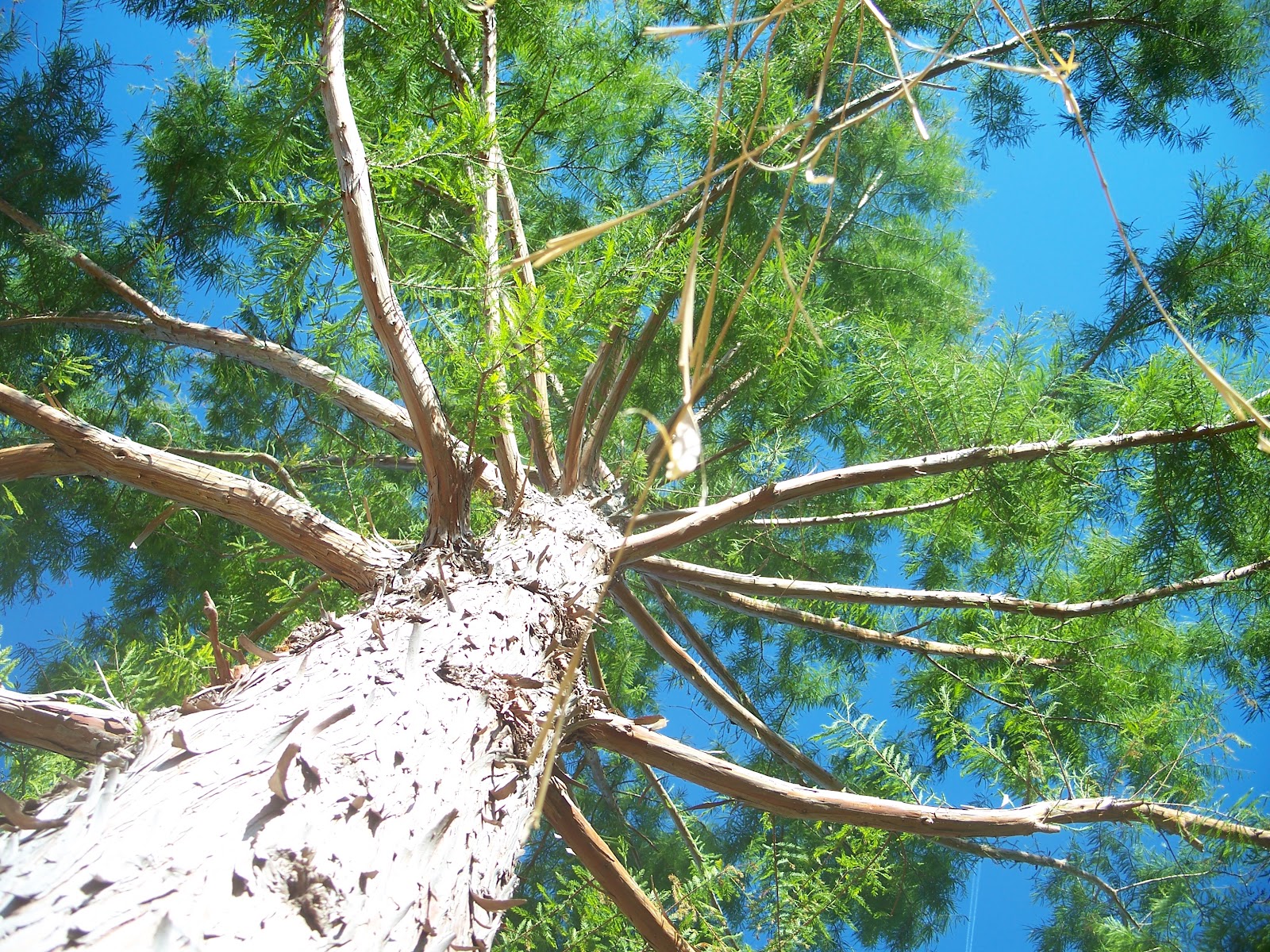
You are invited to The Arboretum Tomé to see our unique collection of native high desert trees during our annual ‘Spring Fling in the Trees’ open house.  The Arboretum Tomé is a collection of rare trees endemic to the desert Southwest. The collection includes a huge variety of Oak trees, the genus Quercus, along with Redwoods, Giant Timber Bamboo, and Maples, including a Western native sugar maple called the Bigtooth Maple, Acer grandidentatum.


The Arboretum is a great place to spend some time under the shade of mature native trees, to study and observe, to be inspired, or to see the great variety of native landscaping trees the southwest has to offer. The Arboretum is also used as an outdoor classroom where lectures are performed. Tours are available for school field trips, students, academic professionals, and individual showings.


Our Spring Fling is Free
May 19th  9:30 to 4:00
Located at 9 Gilcrease Road, Los Lunas, NM 87031

Bring your sack lunch and enjoy the shade of  Fruit Trees, Redwoods, Maples, & Oaks.

Lectures at 10 am on Soil Building, Landscape Design, and
How to Successfully Plant Trees.
 
In the afternoon enjoy live music by Mike Montiel.
Visit our Website for more information and directions:  www.treesthatpleasenursery.com

Comments

Popular posts from this blog

Question: How close to my house can I plant a Cottonwood tree?

Cottonwoods grow to be immense trees attaining dimensions of up to 40 - 50 feet tall and wide with a root system to match. Cottonwoods have a surface root system that can heave sidewalks, crack walls and home foundations if planted too close. Cottonwoods should be planted a minimal distance from structures of at least 25 feet if not further. Trees That Please Nursery carries two varieties of cotton-less, Cottonwood Trees. Please contact us or stop by the store for more information.

Afghan Pine

The Afghan Pine ( Pinus eldarica ) is also known as Desert Pine, Eldarica Pine or Mondell Pine. Afghan Pine is native to low rainfall areas of Afghanistan, Pakistan, and southern Russia . In fact, when planted in areas of high rainfall (> 20” per year), it becomes susceptible to a number of diseases and rapidly declines. This problem has occurred in East Texas.   The Afghan Pine thrives in heat, wind, and tolerates drought. Afghan Pine must be planted in soils with good drainage like sand. It is not suitable for poorly drained heavy clasy soils. Afghan Pines are generally pyramidal or Christmas tree shaped in form when young   becoming more oval or irregular with age. The leaves of the Afghan Pine are evergreen needles usually found in groups of 2 per fascicle or sheath. Needles are shed after several years and make excellent mulch as they fall around the trees base.   It has attractive trunk bark that becomes dark and furrowed with...

WEED IDENTIFICATION: SAND BUR

Sand Bur ( Cenchrus longispinus ) is native to North America. It has other names like  sand spur, long-spined sand bur, hedgehog grass, and bur grass . Sand Bur is an annual grass usually growing with a prostrate growth form. It is similar in appearance to other grasses prior to seed formation. Individual plants may be 3’ in diameter, sometimes larger.  Sand Bur is a common weed of sandy soils but also grows well elsewhere. Sand Bur will often root at stem nodes that are touching the ground. The root system of Sand Bur is shallow and fibrous making them easily pulled (when immature). Sand Bur produces a flowering spike. As seeds begin to form Sand Bur is easily recognized by its numerous sharp or burred seeds or long spines. As the burred seeds mature they are easily separated from the mother plant and their sharp spines stick to virtually anything. Sand Bur can disseminate its seeds long distances because its sharp spines will hitch a ride on skin, animal hides, sho...